
Best Dental Clinic in Moshi, PCMC: Complete Guide to Dental Care
- +91 9075473657
- healthandsmilesdentalclinic@gmail.com
- Morning 10.00am-2.00 pm || Evening 5.00pm - 9.00pm
Dental Clinic
September 14, 2026
Sensitive Teeth When Eating Hot or Cold Foods: Causes & Dental Treatments Options in Moshi

Written By Dr. Gargi Patil
Periodontist & Implantologist BDS | MDS – Periodontology & Implantology
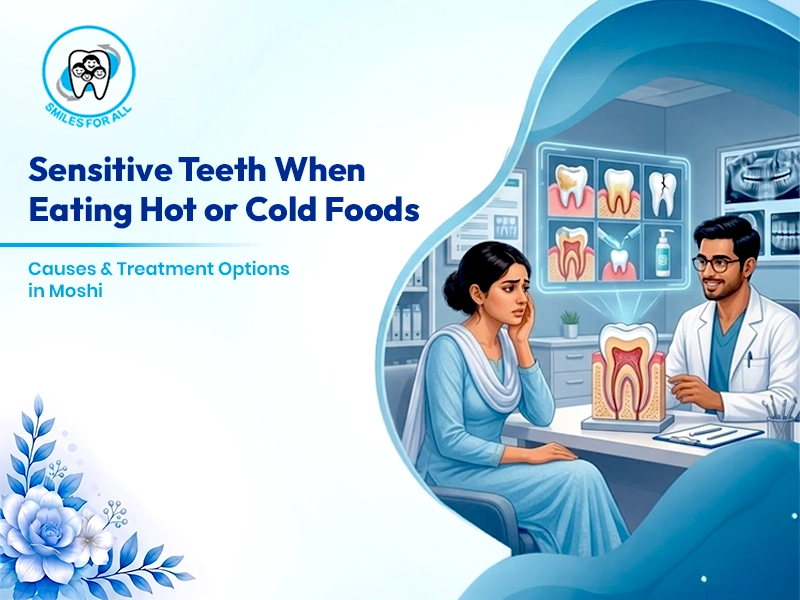
Do you experience a sudden sharp pain when drinking cold water, eating ice cream, or having hot tea or coffee? Tooth sensitivity is a common dental concern that can make everyday eating and drinking uncomfortable. While occasional sensitivity may not always indicate a serious problem, repeated or severe discomfort should be professionally evaluated.
Tooth sensitivity can occur when the protective enamel becomes thinner or when the tooth’s inner layer becomes exposed. Other conditions, including cavities, gum recession, cracked teeth, worn fillings, or dental procedures, can also contribute to sensitivity. For patients looking for Sensitive Teeth Treatment in Moshi, identifying the underlying cause is an important first step toward appropriate care.
1 What Is Tooth Sensitivity and Why Does It Happen?
Tooth sensitivity, also known as dentin hypersensitivity, can cause short, sharp discomfort when teeth come into contact with certain triggers.
Common triggers include:
- Cold water or cold drinks
- Hot tea, coffee, or food
- Ice cream and other cold foods
- Sweet foods
- Acidic foods and beverages
- Brushing or flossing around sensitive areas
- Cold air in some situations
The discomfort may occur when the protective enamel wears down or when the gums recede and expose areas of the tooth that are normally protected.
However, sensitivity can also be caused by dental problems such as cavities, cracked teeth, gum disease, or damaged dental restorations.
Patients searching for Tooth Sensitivity Treatment in Moshi should remember that sensitivity itself is a symptom rather than a diagnosis. A dentist can examine the affected teeth and determine the likely cause before recommending treatment.
2 Common Causes of Sensitive Teeth
Understanding what may be causing tooth sensitivity can help you decide when to seek professional dental care.
1. Worn or Thinned Tooth Enamel
Tooth enamel protects the inner layers of the tooth. Excessive brushing, acidic foods and drinks, teeth grinding, or other factors may contribute to enamel wear.
When the protective enamel becomes thinner, the underlying dentin may become more exposed, making the tooth more sensitive to temperature changes.
2. Gum Recession
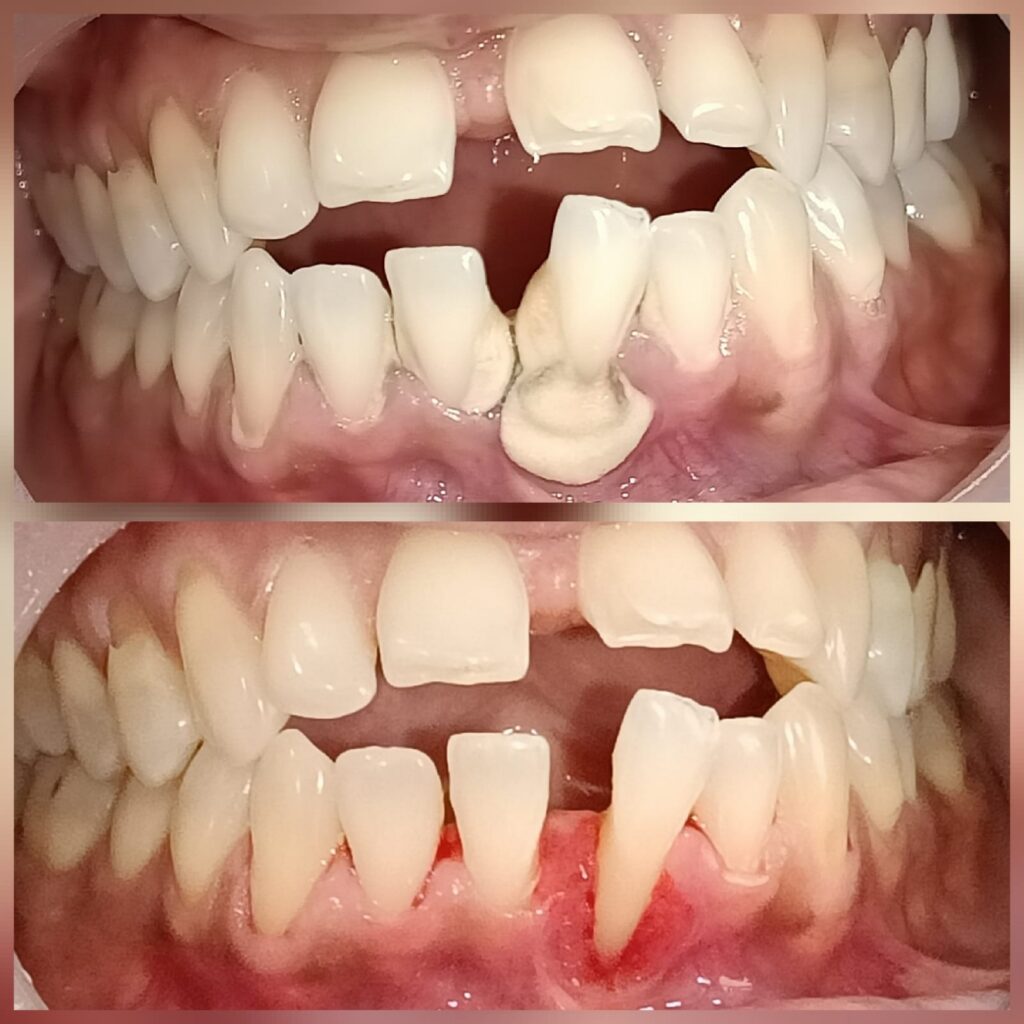
When gum tissue moves away from the tooth surface, the root area can become exposed. Tooth roots do not have the same enamel protection as the visible crown of the tooth.
This can make certain teeth particularly sensitive to cold, hot, sweet, or acidic foods.
3. Tooth Decay or Cavities
A cavity can sometimes cause sensitivity, particularly when it becomes deeper. You may notice discomfort when consuming sweet, hot, or cold foods and drinks.
If sensitivity is occurring in one particular tooth or is becoming more frequent, a dental examination can help determine whether decay is involved.
4. Cracked or Damaged Teeth
A crack in a tooth can sometimes cause pain or sensitivity, particularly while chewing or when the tooth is exposed to temperature changes.
Cracked teeth can be difficult to identify without a professional examination, so persistent symptoms should be evaluated by a dentist.
5. Aggressive Brushing
Brushing your teeth with excessive pressure or using an overly abrasive toothpaste may contribute to enamel wear or gum irritation over time.
Using a soft-bristled toothbrush and gentle brushing technique can help reduce unnecessary pressure on the teeth and gums.
6. Teeth Grinding or Clenching
Regularly grinding or clenching your teeth can place additional stress on the enamel and tooth structure. Some people may grind their teeth during sleep without being aware of it.
If sensitivity occurs along with jaw discomfort, worn teeth, or morning headaches, discuss the symptoms with your dentist.
7. Recent Dental Treatment
Some patients may experience temporary sensitivity following certain dental treatments, including professional teeth cleaning, fillings, whitening, or other procedures.
The duration and severity of sensitivity can vary depending on the treatment and individual circumstances. If discomfort persists or becomes severe, contact your dentist for an evaluation.
3 7 Signs Your Tooth Sensitivity Needs Dental Evaluation
Occasional sensitivity does not always indicate a serious dental problem. However, certain symptoms should not be ignored.
1. Sharp Pain When Drinking Cold Water
If a particular tooth consistently causes sharp pain when you drink cold water or other cold beverages, it may require further evaluation.
The cause could range from exposed dentin to decay, gum recession, or another dental condition.
2. Pain From Hot Tea or Coffee
If hot drinks regularly cause discomfort in one or more teeth, consider discussing the symptom with a dentist.
Persistent temperature-related sensitivity can sometimes be associated with problems affecting the tooth’s inner structures.
3. Sensitivity to Sweet or Acidic Foods
Pain after eating sweets, citrus fruits, soft drinks, or other acidic foods may occur when sensitive areas of the teeth are exposed.
A dentist can check for enamel wear, cavities, gum recession, or other possible causes.
4. Pain While Brushing
If brushing or touching a particular area causes sharp discomfort, it may be related to exposed tooth surfaces, gum recession, enamel wear, or dental decay.
Changing your brushing technique may help, but persistent sensitivity should still be evaluated.
5. Sensitivity That Keeps Returning
If tooth sensitivity repeatedly comes back despite changing your toothpaste or avoiding trigger foods, there may be an underlying dental cause.
Professional evaluation can help determine whether you need preventive care or specific dental treatment.
6. Sensitivity With Toothache or Pain While Chewing
Sensitivity accompanied by toothache, pain while biting, or discomfort when chewing deserves particular attention.
These symptoms may be associated with cavities, cracks, inflammation, or infection and should be assessed by a dentist.
7. Swelling, Gum Problems, or Severe Pain
Sensitivity accompanied by gum swelling, facial swelling, a recurring bump on the gum, or severe tooth pain may indicate a dental infection or another condition requiring prompt care.
If you experience significant swelling or severe dental pain, seek professional dental attention promptly.
4 When Should You See a Dentist for Sensitive Teeth?
You should consider seeing a dentist if tooth sensitivity is frequent, severe, worsening, or affecting your ability to eat and drink normally.
A dental examination is particularly important if sensitivity is accompanied by:
- Persistent toothache
- Pain while biting or chewing
- Visible cavities
- Broken or cracked teeth
- Swollen or bleeding gums
- Tooth discolouration
- Facial swelling
- A recurring dental abscess
During an examination, your dentist may assess the teeth and gums and recommend dental X-rays or other diagnostic tests when necessary.
If the cause is identified, your dentist can recommend an appropriate treatment plan based on your individual dental condition.
5 Don't Ignore Persistent Tooth Sensitivity
Many people try to manage sensitive teeth by simply avoiding cold drinks or using desensitising toothpaste. These measures may help some people, but they do not necessarily address the underlying cause.
Consider arranging a dental examination if you experience:
- Repeated sensitivity to hot or cold foods
- Sharp pain while drinking cold water
- Discomfort after eating sweets
- Pain when brushing
- Tooth sensitivity with toothache
- Sensitivity accompanied by gum recession
- Pain while chewing
- Swelling or other signs of infection
If you are searching for Sensitive Teeth Treatment Moshi, a professional dental assessment can help identify whether the problem is related to enamel wear, gum recession, decay, a cracked tooth, or another dental condition.
6 Treatment Options for Sensitive Teeth
The appropriate treatment depends on what is causing the sensitivity. A dentist may recommend one or more approaches after examining your teeth and gums.
Desensitising Toothpaste
For some types of mild tooth sensitivity, a dentist may recommend toothpaste designed to reduce sensitivity. These products may help reduce the transmission of sensations from the tooth surface.
Fluoride Treatment
Professional fluoride application may help strengthen tooth surfaces and reduce sensitivity in suitable cases.
Treatment for Cavities
If sensitivity is caused by tooth decay, the dentist may recommend restorative treatment such as a filling, depending on the extent of the cavity.
Gum Treatment
If gum recession or gum disease is contributing to sensitivity, appropriate periodontal or gum care may be recommended.
Treatment for Cracked or Damaged Teeth
A cracked or damaged tooth may require restorative treatment depending on the location and extent of the damage.
Root Canal Treatment
If the dental pulp inside a tooth is significantly inflamed or infected and the tooth is suitable for preservation, root canal treatment may be recommended.
The treatment required should always be determined after proper dental evaluation rather than based on sensitivity symptoms alone.
7 How Can You Reduce Tooth Sensitivity at Home?
While home care cannot replace professional diagnosis, certain habits may help reduce irritation:
- Use a soft-bristled toothbrush.
- Brush gently rather than applying excessive pressure.
- Use toothpaste recommended for sensitive teeth when appropriate.
- Limit frequent consumption of highly acidic foods and drinks.
- Avoid repeatedly exposing sensitive teeth to extreme temperatures.
- Maintain regular brushing and flossing.
- Schedule regular dental checkups.
If sensitivity continues despite these measures, consult a dentist to identify the underlying cause.
8 Why Choose Health & Smiles Dental Clinic Moshi?
Choosing a dental clinic that focuses on proper diagnosis can help ensure that tooth sensitivity is not simply treated as a symptom without investigating its possible cause.
Comprehensive Dental Care
Health & Smiles provides preventive, restorative, cosmetic, periodontal, pediatric, implant, and other dental services based on individual patient needs.
Experienced Dental Professionals
The dental team evaluates symptoms and oral health conditions before recommending appropriate treatment.
Modern Dental Technology
Appropriate diagnostic and dental technology can assist dentists in evaluating dental problems and developing suitable treatment plans.
Patient-Centred Approach
The team focuses on explaining dental conditions and treatment options clearly, helping patients understand their oral health and make informed decisions.
Convenient Moshi Location
Health & Smiles Dental Clinic is located in Sector 13, Moshi, making it convenient for patients from Moshi and nearby areas of Pimpri-Chinchwad and Pune.
Don't Let Sensitive Teeth Affect Your Daily Life
Sharp pain from hot, cold, sweet, or acidic foods can make everyday eating uncomfortable. While mild sensitivity may sometimes improve with appropriate home care, persistent or recurring symptoms can have an underlying dental cause.
FAQs
Why do my teeth hurt when I eat something cold?
Cold sensitivity can occur when dentin becomes exposed due to enamel wear, gum recession, cavities, or other dental conditions. A dentist can examine the tooth to determine the actual cause.
Can sensitive teeth be treated?
Yes. Treatment depends on the underlying cause. Options may include desensitising toothpaste, fluoride treatment, treatment for cavities or gum problems, restorative treatment, or other dental procedures when clinically necessary.
Is tooth sensitivity always a sign of a cavity?
No. Tooth sensitivity can have several causes, including enamel wear, gum recession, teeth grinding, cracked teeth, dental procedures, and cavities. A dental examination is needed to determine the cause.
How can I find Sensitive Teeth Treatment in Moshi?
Patients looking for Sensitive Teeth Treatment in Moshi can consult Health & Smiles Dental Clinic for a dental examination. The dentist can assess the cause of sensitivity and recommend an appropriate treatment plan.
When should tooth sensitivity be considered serious?
Sensitivity that is persistent, worsening, associated with severe pain, swelling, tooth discolouration, pain while chewing, or other signs of infection should be professionally evaluated.
Have Questions About Your Teeth?
Schedule a pain-free consultation with Dr. Gargi Patil & Dr. Vishwas Patil and experience comfortable, modern dentistry designed around your needs.
Clinic Information
Featured Article
Contact Us
Ready To Transform Your Smile
If you are experiencing tooth sensitivity and looking for a Dentist in Moshi, professional evaluation can help identify the cause and determine suitable treatment options.
📍 Clinic Location: G-02, Dream Nest, Opposite Sukhwani Oasis, Sector 13, Highstreet, Moshi, Pimpri-Chinchwad, Pune, Maharashtra 411019
Looking for Sensitive Teeth Treatment in Moshi? Schedule a dental consultation with Health & Smiles Dental Clinic Moshi and discuss your options for a brighter, healthier-looking smile.