Best Dental Clinic in Moshi, PCMC: Complete Guide to Dental Care
- +91 9075473657
- healthandsmilesdentalclinic@gmail.com
- Morning 10.00am-2.00 pm || Evening 5.00pm - 9.00pm
Teeth
September 23, 2026
Severe Toothache at Night: Common Causes and What You Should Do

Clinically reviewed by Dr. Gargi Patil | Periodontist & Implantologist
BDS | MDS – Periodontology & Implantology
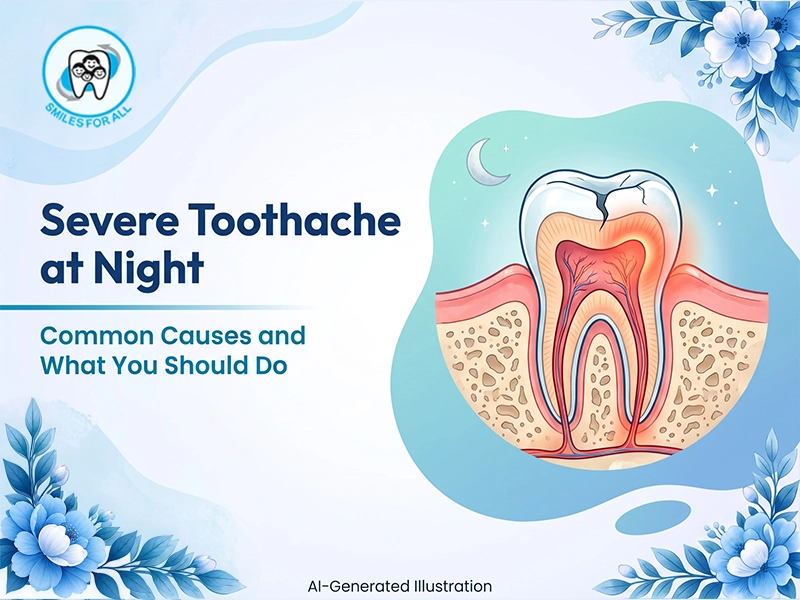
A severe toothache that starts at night can make it difficult to sleep, eat, or concentrate. The discomfort may feel more noticeable when lying down, particularly when an underlying dental problem causes throbbing or persistent pain.
Nighttime toothache can develop due to deep tooth decay, inflammation of the dental pulp, dental abscesses, cracked teeth, or gum infections. Although temporary measures may help manage discomfort, they do not necessarily address the underlying cause.
Understanding why toothache occurs, recognising warning signs, and knowing when to seek dental attention can help prevent complications and support better oral health.
1 Why Does Toothache Feel Worse at Night?
Many people notice that tooth pain becomes more noticeable when they lie down to sleep. Changes in position may make throbbing discomfort more noticeable, while reduced daytime distractions can make it harder to ignore the pain.
However, nighttime pain is not a diagnosis on its own. It may be associated with an underlying dental condition that requires attention.
Possible reasons include:
- Deep tooth decay.
- Inflammation of the dental pulp.
- Infection around the tooth root.
- Dental abscess.
- Cracked or damaged teeth.
- Gum infection.
- Wisdom tooth complications.
- Damaged fillings or crowns.
The exact cause can only be determined through an appropriate dental examination.
2 Common Causes of Severe Toothache at Night
- Deep Tooth Decay
Tooth decay develops when bacteria produce acids that damage the tooth structure. As the cavity becomes deeper, it may reach the inner layers of the tooth and cause increased sensitivity or pain.
Symptoms may include discomfort when eating sweets, drinking cold beverages, or consuming hot foods. If decay reaches the dental pulp, spontaneous or persistent pain may develop.
- Dental Pulp Inflammation or Infection
The dental pulp is the soft tissue inside the tooth containing nerves and blood vessels. Deep decay, cracks, or dental injuries can cause inflammation or infection of this tissue.
Possible symptoms include spontaneous toothache, prolonged sensitivity to temperature, throbbing pain, and discomfort that interferes with sleep.
Depending on the diagnosis, root canal treatment or another procedure may be recommended.
- Dental Abscess
A dental abscess is a collection of pus caused by a bacterial infection. It may develop around the root of a tooth or in the surrounding gum tissues.
Common symptoms include severe pain, swelling, tenderness, unpleasant taste, and sometimes fever. A dental abscess requires prompt professional assessment because the infection may spread if left untreated.
- Cracked or Damaged Tooth
A cracked tooth may produce sharp pain when biting or chewing. Some cracks are difficult to identify without a clinical examination.
Sensitivity to hot and cold foods may also occur. Dental injuries or biting hard objects can sometimes cause tooth damage.
- Gum Infection or Inflammation
Gum problems can cause discomfort around the teeth and may sometimes feel like a toothache. Redness, swelling, bleeding, and tenderness can indicate gum inflammation or infection.
Food trapped between teeth may also cause local irritation.
- Wisdom Tooth Problems
A partially erupted or impacted wisdom tooth may cause pain at the back of the mouth. Food and bacteria can accumulate around the surrounding gum tissue, sometimes leading to inflammation or infection.
Symptoms may include swelling, difficulty chewing, bad breath, and discomfort while opening the mouth.
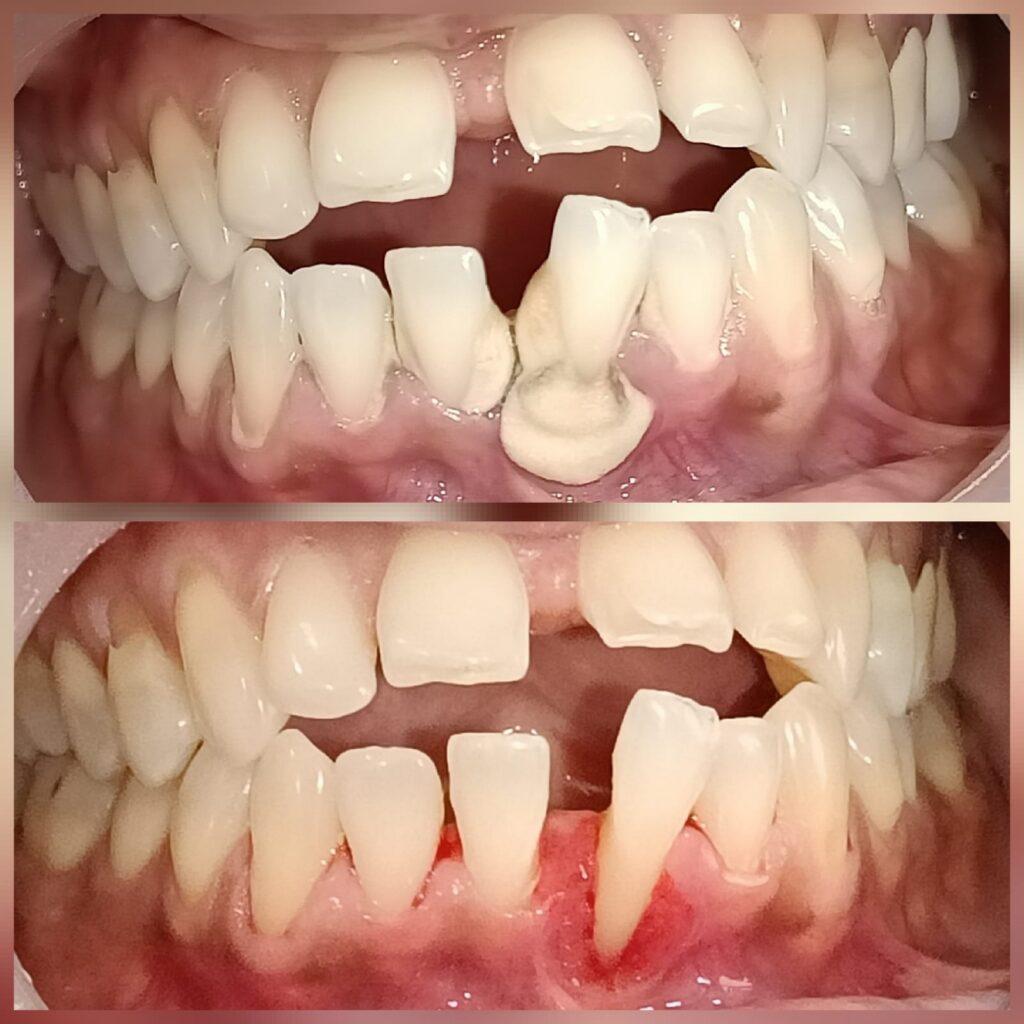
3 What Can You Do for Severe Toothache at Night?
If immediate dental care is not available, certain temporary measures may help manage discomfort until you can arrange an examination.
- Keep your head elevated: Use an extra pillow if lying flat makes the throbbing discomfort more noticeable.
- Avoid temperature triggers: Stay away from very hot, cold, or sweet foods and drinks if they increase sensitivity.
- Choose soft foods: Avoid hard or sticky foods and try not to chew on the affected side.
- Rinse gently: A warm salt-water rinse may help keep the affected area clean. Avoid swallowing the rinse.
- Apply a cold compress: If there is external swelling, a cold compress wrapped in a cloth may help reduce discomfort temporarily.
- Consider appropriate pain relief: Over-the-counter pain medication may help when suitable for your age and medical circumstances. Follow the product instructions and consult a healthcare professional if you are unsure.
Do not place aspirin directly on the tooth or gums, as this can damage the surrounding tissues. Avoid applying unprescribed substances to the affected area.
These measures provide temporary support and should not replace professional dental care.
4 When Should You See a Dentist for Toothache?
A dental examination is recommended when tooth pain is severe, persistent, or repeatedly interrupts sleep.
Arrange an assessment if you experience:
- Pain that continues or repeatedly returns.
- Sensitivity that persists after removing hot or cold stimuli.
- Pain while biting or chewing.
- Swelling or tenderness around the gums.
- Discharge or an unpleasant taste.
- Tooth pain following an injury.
- Discomfort that does not improve with temporary measures.
A dentist may examine the affected tooth and recommend dental X-rays to identify decay, infection, cracks, or problems involving the tooth root.
5 When Is Toothache a Dental Emergency?
Some symptoms require urgent attention rather than waiting for a routine appointment.
Seek prompt dental care if severe toothache occurs with facial swelling, fever, pus, or difficulty opening the mouth.
If swelling spreads towards the neck, throat, or eye, or causes difficulty breathing, swallowing, or speaking, seek emergency medical attention immediately.
Dental infections should not be managed exclusively with painkillers or home remedies. Treatment may be required to address the source of infection.
6 Does Severe Toothache Always Require Root Canal Treatment?
No. Severe toothache does not automatically mean that root canal treatment is necessary.
The appropriate treatment depends on the cause and extent of the dental problem.
Depending on the examination findings, treatment may involve:
- Dental fillings for suitable cavities.
- Root canal treatment for an irreversibly inflamed or infected pulp when the tooth can be preserved.
- Restoration of cracked or damaged teeth.
- Gum treatment for periodontal conditions.
- Wisdom tooth treatment or removal when indicated.
- Tooth extraction when the tooth cannot be restored or maintained.
The dentist may use clinical tests and imaging to determine which treatment is appropriate.
7 How Can You Reduce the Risk of Future Toothache?
Good oral hygiene and preventive dental care can help reduce the risk of common dental problems.
Consider the following habits:
- Brush twice daily using fluoride toothpaste.
- Clean between your teeth regularly.
- Limit frequent consumption of sugary foods and drinks.
- Avoid chewing hard objects that may damage teeth.
- Attend regular dental examinations.
- Seek advice when sensitivity or discomfort first develops.
Early identification of dental problems may allow treatment before more extensive damage occurs.
Conclusion
Severe toothache at night can result from several dental conditions, including deep decay, pulp inflammation, dental abscesses, cracked teeth, and gum infections. Although temporary measures may help reduce discomfort, they do not replace treatment of the underlying problem.
Persistent or recurring tooth pain should be evaluated by a dental professional. Recognising symptoms early, maintaining good oral hygiene, and seeking appropriate care can help protect natural teeth and support long-term oral health.
FAQs
Why does my tooth hurt more at night when I lie down?
Tooth pain may feel more noticeable when lying down, particularly when inflammation or infection causes throbbing discomfort. Nighttime pain can also become harder to ignore because there are fewer distractions. Persistent symptoms should be evaluated by a dentist.
What is the fastest way to relieve a severe toothache at home?
A gentle warm salt-water rinse, avoiding temperature triggers, keeping your head elevated, and using appropriate over-the-counter pain relief may provide temporary comfort. These measures do not treat the underlying dental condition.
Can a severe toothache go away on its own?
Toothache may temporarily improve, but this does not always mean the underlying problem has resolved. Deep decay, pulp inflammation, and dental infections may continue to progress even if the pain decreases. Dental assessment is important when symptoms are severe or recurring.
How do I know if my toothache is caused by an infection?
Tooth pain accompanied by gum swelling, facial swelling, pus, fever, or an unpleasant taste may indicate an infection. However, symptoms alone cannot confirm the diagnosis. A dental examination is needed to identify the cause.
Clinic Information
Featured Article
Contact Us
Ready To Transform Your Smile
If you are experiencing tooth sensitivity and looking for a Dentist in Moshi, professional evaluation can help identify the cause and determine suitable treatment options.