
Best Dental Clinic in Moshi, PCMC: Complete Guide to Dental Care
- +91 9075473657
- healthandsmilesdentalclinic@gmail.com
- Morning 10.00am-2.00 pm || Evening 5.00pm - 9.00pm
Dental Clinic
August 21, 2026
Common Dental Problems and When to Visit a Dentist

Written By Dr. Gargi Patil
Periodontist & Implantologist BDS | MDS – Periodontology & Implantology
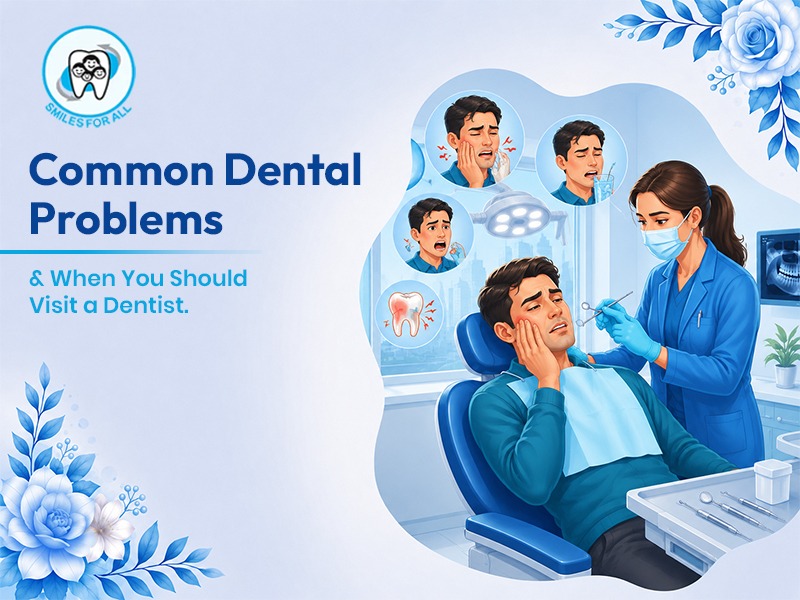
Good oral health is an important part of overall well-being. However, many people ignore early signs of dental problems until they become painful or require more complicated treatment. Understanding common dental problems and knowing when to visit a dentist can help protect your teeth, gums, and smile.
Problems such as tooth decay, gum disease, tooth sensitivity, bad breath, and tooth pain are common among people of all ages. Some may develop gradually without obvious symptoms, while others can cause sudden discomfort.
Regular dental checkups, good oral hygiene, and timely professional care can help prevent many dental problems and maintain healthy teeth and gums.
What Are Common Dental Problems?
Dental problems can affect the teeth, gums, and other parts of the mouth. Some are caused by poor oral hygiene, while others may be related to diet, lifestyle, genetics, aging, or underlying dental conditions.
Common dental problems include:
- Tooth decay and cavities
- Gum problems
- Tooth sensitivity
- Bad breath
- Tooth pain
- Tooth infections
- Damaged or broken teeth
- Wisdom tooth problems
Recognizing the warning signs early can help you seek appropriate dental care before the condition becomes more serious.
1 Tooth Decay and Cavities
Tooth decay is one of the most common dental problems. It occurs when bacteria in the mouth produce acids that gradually damage the tooth’s outer surface.
In the early stages, tooth decay may not cause noticeable symptoms. As it progresses, you may experience:
- Toothache
- Sensitivity to hot or cold foods
- Pain while eating sweet foods
- Visible holes or dark spots on teeth
- Food getting stuck between teeth
If tooth decay is detected early, a dentist may be able to treat it with a simple filling. Untreated decay can progress deeper into the tooth and may eventually require root canal treatment or extraction.
Regular dental checkups can help identify cavities before they cause significant discomfort.
2 Gum Problems
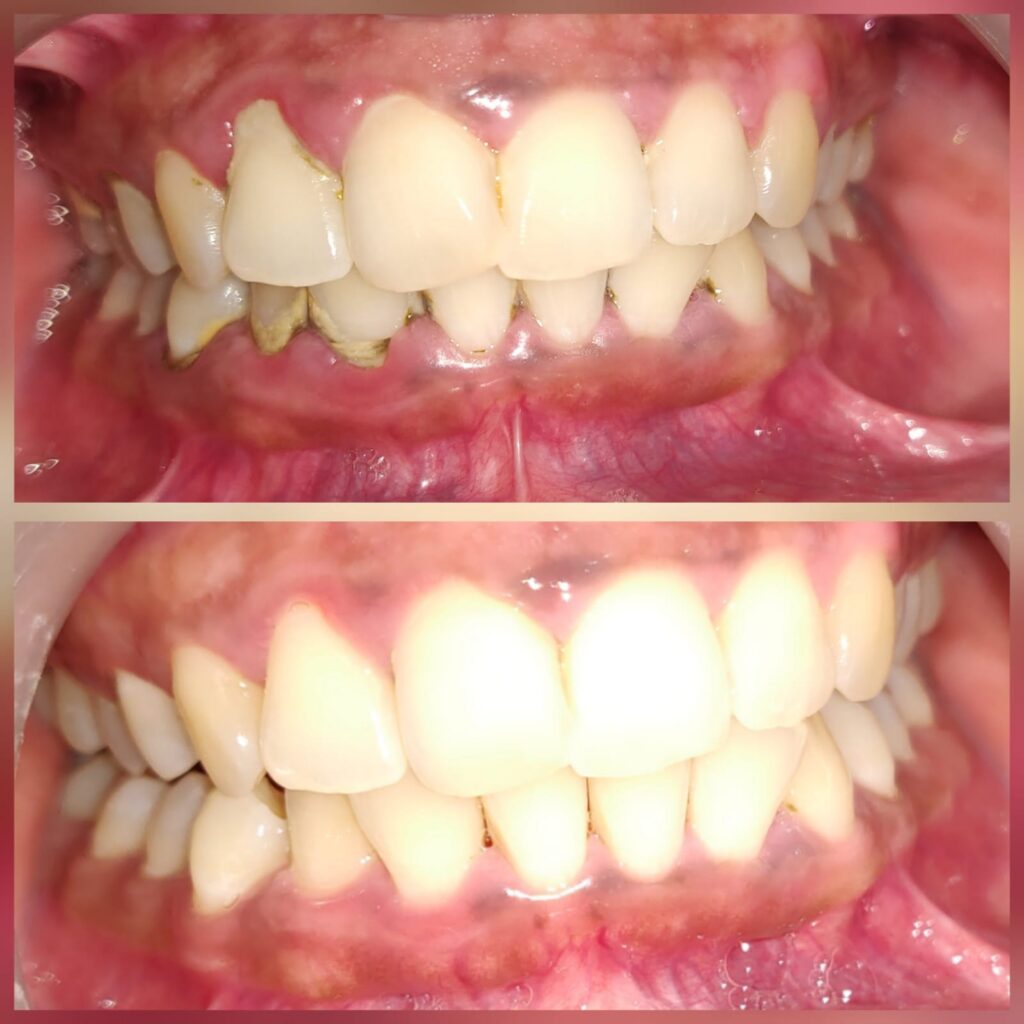
Healthy gums should generally be firm and should not bleed during normal brushing or flossing. Bleeding, swelling, redness, or tenderness can be warning signs of gum problems.
Common symptoms include:
- Bleeding while brushing or flossing
- Swollen or red gums
- Persistent bad breath
- Gum tenderness
- Receding gums
- Loose teeth in advanced cases
Gum problems can range from early gum inflammation to more advanced periodontal disease. Professional dental evaluation and proper oral hygiene can help prevent gum problems from progressing.
If your gums regularly bleed, it is important not to ignore the symptom.
3 Tooth Sensitivity
Tooth sensitivity can cause sudden, sharp discomfort when consuming hot, cold, sweet, or acidic foods and drinks.
Sensitivity may occur because of:
- Enamel wear
- Gum recession
- Tooth decay
- Cracked teeth
- Aggressive brushing
- Certain dental treatments
Occasional sensitivity may not always indicate a serious condition, but persistent or worsening sensitivity should be evaluated by a dentist.
A dental examination can help determine the underlying cause and recommend suitable treatment.
4 Bad Breath
Bad breath, also known as halitosis, is another common oral health concern. Temporary bad breath can occur after eating certain foods, but persistent bad breath may indicate an underlying dental problem.
Possible causes include:
- Poor oral hygiene
- Bacteria buildup on the tongue
- Gum disease
- Tooth decay
- Dry mouth
- Food particles trapped between teeth
Brushing twice daily, cleaning your tongue, flossing regularly, and staying hydrated can help maintain fresh breath.
If bad breath continues despite good oral hygiene, a dental checkup can help identify the cause.
5 Tooth Pain
Tooth pain should never be ignored, particularly when it is severe, persistent, or getting worse.
Tooth pain can be caused by:
- Tooth decay
- Dental infection
- Gum problems
- Cracked or damaged teeth
- Tooth sensitivity
- Impacted wisdom teeth
- Problems with an existing dental filling or crown
The location and intensity of pain do not always indicate how serious the underlying problem is. A dental examination is often necessary to determine the actual cause.
If you experience persistent tooth pain, schedule a dental appointment rather than relying on pain relief alone.
6 When Should You Visit a Dentist?
You should consider visiting a dentist if you experience any unusual changes in your teeth, gums, or mouth.
Seek professional dental care if you notice:
- Persistent tooth pain
- Bleeding or swollen gums
- Severe tooth sensitivity
- A broken or cracked tooth
- Persistent bad breath
- Loose teeth
- Swelling around the tooth or gums
- Pain while chewing
- A visible cavity or dark spot on a tooth
- Changes in the appearance of your gums or teeth
Some dental problems may cause few or no symptoms in their early stages. This is why routine dental checkups remain important even when you feel that your teeth are healthy.
7 The Importance of Regular Dental Checkups
A dental checkup is not only for people who have tooth pain. Regular visits allow a dentist to monitor your oral health and identify potential problems early.
During a dental checkup, your dentist may evaluate:
- Teeth for cavities and damage
- Gums for signs of inflammation or disease
- Existing fillings, crowns, or other dental work
- Plaque and tartar buildup
- Signs of tooth wear
- Overall oral hygiene
- Other changes that may require further evaluation
Professional teeth cleaning may also be recommended to remove plaque and tartar that cannot always be removed effectively through regular brushing.
Regular dental visits can support preventive care and reduce the risk of dental problems becoming more complicated.
8 How to Maintain Good Oral Health
Daily oral hygiene plays an important role in preventing common dental problems.
Follow these basic habits:
- Brush your teeth twice a day with fluoride toothpaste.
- Floss or clean between your teeth regularly.
- Limit frequent consumption of sugary foods and drinks.
- Drink plenty of water.
- Avoid tobacco products.
- Clean your tongue regularly.
- Replace your toothbrush or toothbrush head when needed.
- Schedule regular dental checkups.
Good oral hygiene combined with professional dental care can help maintain healthier teeth and gums over the long term.
9 Don't Wait Until Tooth Pain Becomes Severe
One of the most common mistakes people make is waiting for severe tooth pain before visiting a dentist. Many dental problems can develop gradually, and early treatment is often simpler than treating an advanced condition.
For example, a small cavity may require a filling, while untreated decay that reaches the inner part of the tooth may require more extensive treatment.
Similarly, early gum problems can often be managed with improved oral hygiene and professional care, while advanced gum disease may require more complex treatment.
The earlier a dental problem is identified, the sooner appropriate care can begin.
10 Why Preventive Dental Care Matters
Preventive dental care focuses on maintaining oral health rather than waiting for problems to develop.
Regular dental checkups can help with:
- Early detection of tooth decay
- Monitoring gum health
- Professional teeth cleaning
- Identifying dental problems before they become painful
- Maintaining existing dental treatments
- Improving oral hygiene habits
- Protecting your natural teeth
Preventive care is particularly important for children, adults, and older patients because dental needs can change throughout life.
11 When Is Tooth Pain a Dental Emergency?
Some dental symptoms require prompt professional attention. Severe tooth pain accompanied by facial swelling, difficulty swallowing, difficulty breathing, or signs of a spreading infection should not be ignored.
A knocked-out permanent tooth, significant dental trauma, or severe swelling may also require urgent dental assessment.
If you experience a serious dental emergency, seek professional medical or dental care promptly.
Final Thoughts
Common dental problems such as tooth decay, gum problems, tooth sensitivity, bad breath, and tooth pain can affect people of all ages. While good daily oral hygiene is essential, it should be combined with regular professional dental checkups.
Do not wait until a dental problem becomes severe before seeking help. Early diagnosis and appropriate treatment can help protect your oral health and prevent minor problems from becoming more complicated.
If you are experiencing tooth pain, sensitivity, bleeding gums, persistent bad breath, or any other dental concern, consider scheduling a dental checkup with a qualified dentist.
Taking care of your oral health today can help you maintain a healthier smile for years to come.
FAQs
What are the most common dental problems?
Common dental problems include tooth decay, cavities, gum problems, tooth sensitivity, bad breath, tooth pain, cracked teeth, and wisdom tooth problems.
How often should I have a dental checkup?
Many people benefit from regular dental checkups approximately every six months. However, your dentist may recommend a different schedule depending on your oral health and individual needs.
Should I visit a dentist for tooth sensitivity?
Yes. Persistent or worsening tooth sensitivity should be evaluated by a dentist because it may be associated with enamel wear, gum recession, tooth decay, or another dental condition.
Is bad breath always caused by poor oral hygiene?
No. Poor oral hygiene is a common cause, but persistent bad breath can also be associated with gum disease, tooth decay, dry mouth, or other conditions. A dental checkup can help identify the cause.
Can dental problems be prevented?
Many common dental problems can be reduced through regular brushing, cleaning between the teeth, a balanced diet, limiting sugary foods and drinks, avoiding tobacco, and attending regular dental checkups.
Have Questions About Your Teeth?
Schedule a pain-free consultation with Dr. Gargi Patil & Dr. Vishwas Patil and experience comfortable, modern dentistry designed around your needs.
Clinic Information
Featured Article
Contact Us
Ready To Transform Your Smile?
Experience advanced dental care with a team dedicated to your comfort and confidence.